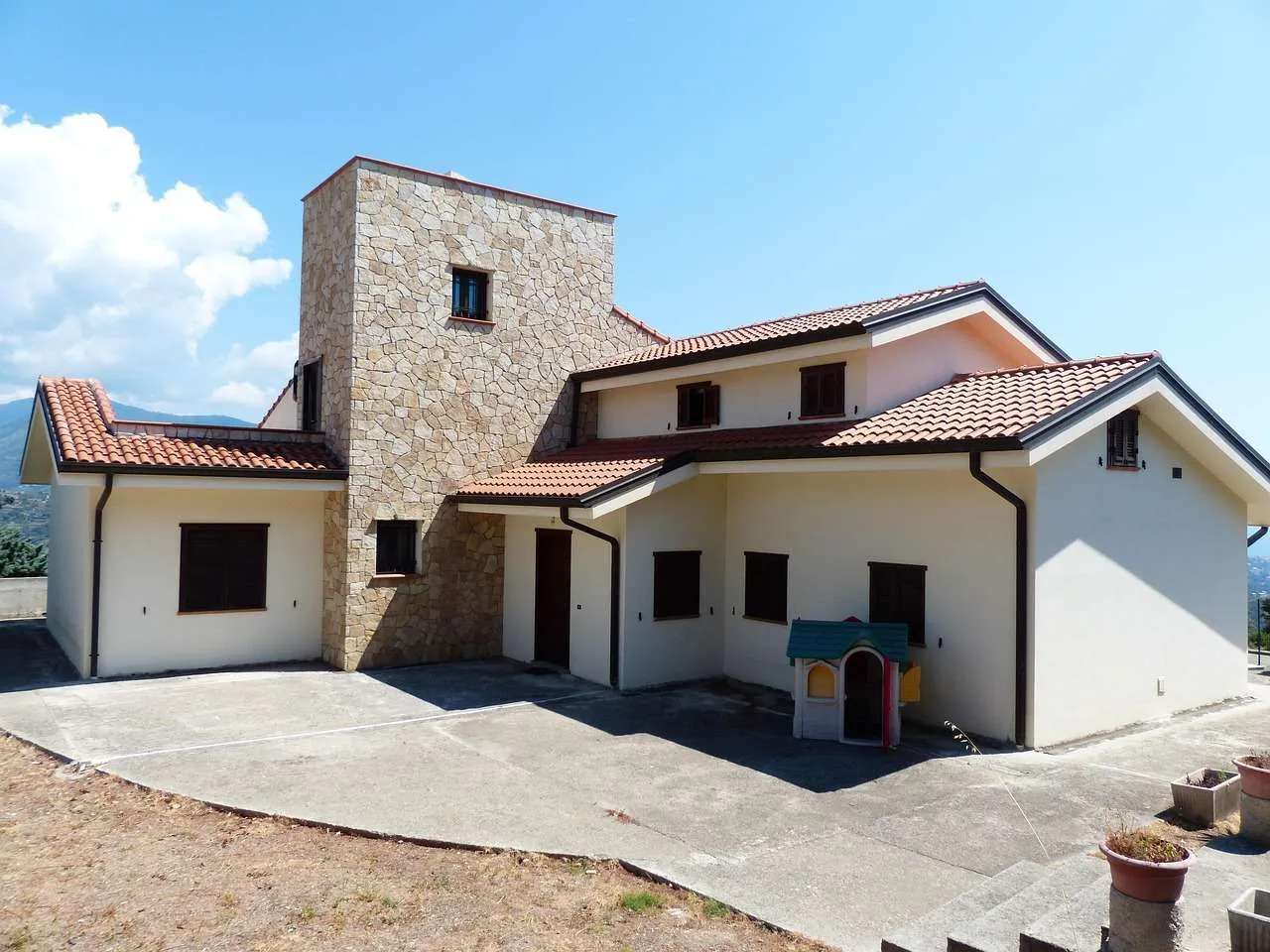
As a seasoned roofing professional with more than a decade of experience, I know that the repair of roofing is about restoring protection and peace of mind. This guide covers how to spot problems, decide between DIY and professional repair, and how to maintain a roof for the long term.
Key causes of roof damage
Exposure to weather, aging materials, improper installation and poor ventilation contribute to leaks, shingle failure and deck damage. Strong winds can lift edges, heat can dry and curl shingles, and ice dams can force water under flashing. A roof is a system, and a small fault will often reveal itself in one or more components.
Signs you need a roof repair
- Missing or damaged shingles
- Visible leaks or water stains on ceilings or walls
- Granule loss in gutters and downspouts
- Sagging sections or soft decking
- Flashing corrosion around chimneys vents or skylights
DIY versus professional repair
Some cosmetic fixes or simple shingle reseating can be attempted by homeowners, but safety concerns and warranty rules make most repairs best left to professionals. A ladder fall or improper flashing can lead to costly damage. If your roof is under warranty or you have high energy or insulation requirements, call a licensed pro.
Safety and warranty considerations
Working at height requires fall protection and proper gear. Many manufacturers require professional service for warranty validity and for proper flashing installation.
How a typical repair of roofing is performed
- Professional inspection to locate leaks and assess decking
- Temporary tarping to minimize water entry
- Replacement or reseating of damaged shingles or flashing
- Resealing joints and ensuring proper ventilation and drainage
- Final check for water tightness and warranty documentation
Common materials and fixes by roof type
Asphalt shingles respond to limited patches, while metal roofs may require panel replacement or sealant work. Tile roofs use adjusted flashing and broken tile replacement. A pro will select compatible materials to match color and performance while preserving the roof system.
Cost factors and planning
Repair costs vary with severity, roof type, and regional labor rates. Typical ranges for a localized repair are modest, while extensive damage or high end materials raise the cost. Expect to budget for labor, parts, and any required safety or scaffolding. Emergency tarping or leak mitigation can add a smaller upfront cost but save water intrusion.
Choosing a repair contractor
Get multiple estimates, verify license and insurance, check references, and confirm a workmanship warranty. Ask about safety programs and whether the pro will handle permits if needed. Request a written contract detailing scope, timeline and payment schedule.
Preventive maintenance tips
Annual roof inspections, clean gutters, trim overhanging branches, ensure attic ventilation, and check sealants around vents and flashings. Regular care reduces the likelihood of small problems becoming major leaks.
Repair vs Replacement: a quick comparison
| Repair | Localized damage only | Lower upfront cost, preserves roof life | May reveal hidden issues and temporary fixes | $200-$1,000 |
| Replacement | Widespread damage or old roof | Longer lifespan, better warranty | Higher upfront cost and disruption | $5,000-$15,000 |
Summary: In this guide we covered how to identify roof damage, choose between DIY and professional repair, the typical repair process, material considerations, pricing factors, maintenance tips, and how to select a trustworthy contractor to achieve reliable performance and safety.